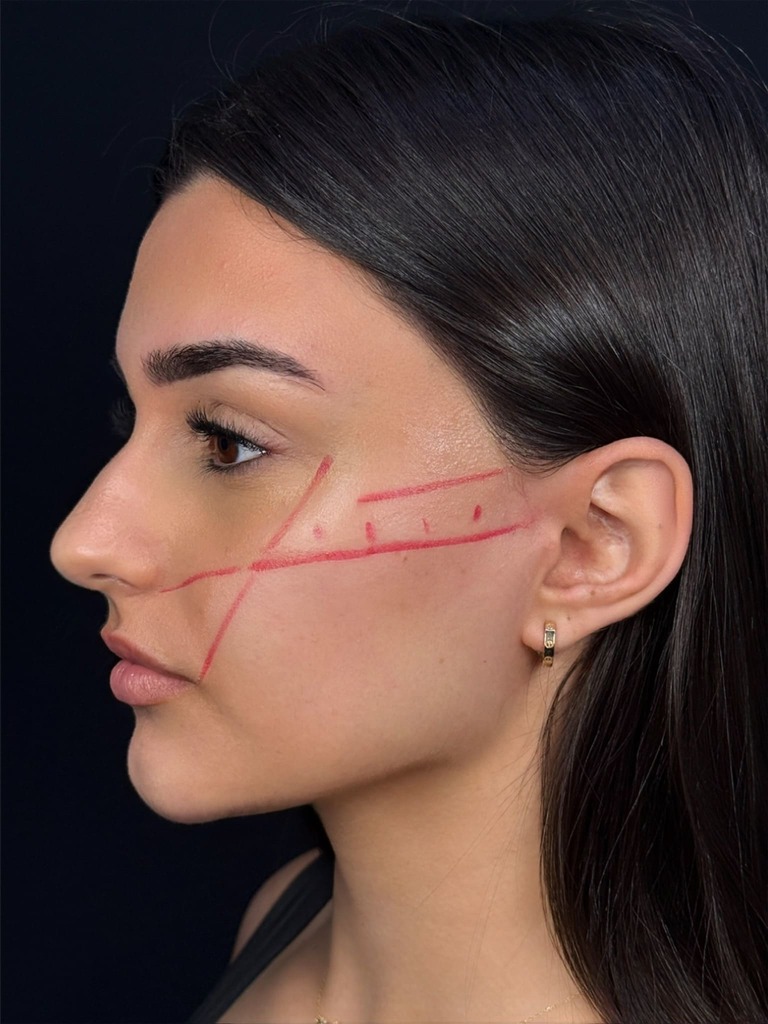
The Step-by-Step Clinical Process of PRF Hair Follicle Treatments
Curious what actually happens during a PRF scalp session? Walk through all nine clinical stages from initial Registered Nurse follicle assessment to targeted delivery and cumulative hair density.
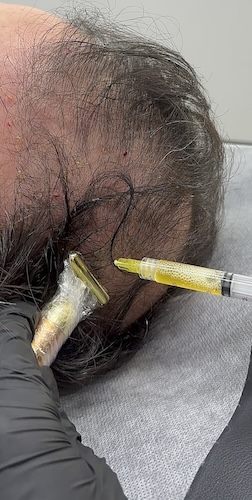
- Every PRF hair plan begins with an honest Registered Nurse scalp assessment: PRF strengthens thinning, viable follicles and is not a cure for completely bald areas.
- Venous blood is drawn without chemical anticoagulants and spun immediately on-site to isolate concentrated growth-factor-rich fibrin.
- Consistent multi-session protocols and scheduled progress reviews build cumulative strand calibre and scalp vitality.
Overview of PRF Hair Follicle Therapy
Are you curious about how PRF (Platelet-Rich Fibrin) can support scalp hair follicles? PRF is a blood-derived protocol that uses concentrated growth factors isolated from your own blood to support viable, thinning hair follicles. In this clinical guide, we walk through each stage of the PRF hair protocol, from initial assessment to post-procedure care.
1. Initial Consultation
Personalised Assessment
Your journey begins with a thorough consultation with one of our Registered Nurse practitioners. During this session, we evaluate your scalp and follicle health, discuss your presenting concerns, and outline realistic clinical expectations, including that PRF supports viable, thinning follicles and cannot regrow hair in completely bare scalp zones.
2. Preparation
Custom Plan Creation
Based on the consultation, we develop a customized PRF treatment plan tailored to your specific needs. We explain the process, expected results, and answer any questions you might have.
3. Blood Draw
Standard Venepuncture
On the day of your treatment, a small amount of blood is drawn from your arm, similar to a routine blood test. This blood will be used to create the PRF.
4. PRF Processing
Calibrated Centrifugation
The blood sample is placed in a calibrated medical centrifuge. This device spins the blood at controlled speeds to separate the platelet-rich fibrin from the other components. The result is a concentrated PRF matrix rich in platelet-derived growth factors.
5. Scalp Preparation
Ready for Action
While the PRF is being prepared, we cleanse and prepare your scalp. This might include the application of a numbing agent to ensure your comfort throughout the procedure.
6. PRF Injection
Targeted Treatment
Using a fine needle, the PRF solution is carefully injected into the areas of your scalp assessed with hair thinning or reduced scalp density. Concentrated platelet-derived growth factors in PRF support viable hair follicles and encourage active follicle cycling.
7. Post-Treatment Care
Nurturing New Growth
After the procedure, we provide detailed verbal and written post-treatment care instructions covering scalp hygiene, activity precautions, and scheduled follow-up intervals.
8. Follow-Up Sessions
Consistency is Key
PRF hair treatment typically requires multiple sessions for optimal results. We schedule follow-up appointments to monitor your progress and adjust the treatment plan as necessary.
9. Enjoying the Results
See the Difference
Because hair follicles cycle slowly through telogen and anagen phases, tissue response to PRF is gradual rather than immediate. Over a structured course of sessions and scheduled reviews, fibrin-bound growth factors support scalp vasculature and strand calibre in viable follicles, though individual responses always vary.
Clinical Note on PRF Suitability
Fibrin Matrix & Informed Consent
PRF uses concentrated platelets and fibrin isolated from your own blood without chemical anticoagulants to support scalp hair follicles. As with all clinical procedures, individual responses vary and potential risks, including scalp tenderness, temporary swelling, pinpoint bruising, or transient shedding, must be discussed with your qualified health practitioner during consultation.
Related Services & Consultations
Related Clinical Journal Articles
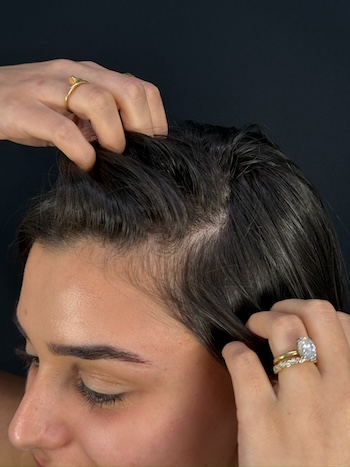
Will PRP or PRF Help Slow Hair Thinning? Candidacy, Medical Contraindications & ProCell Alternatives
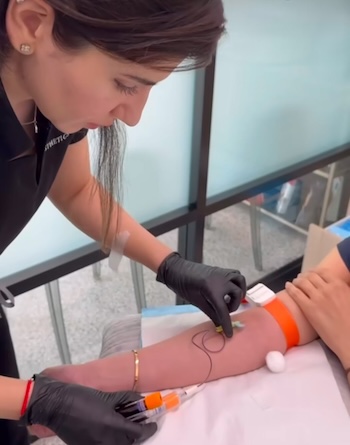
Complete Pre- and Post-Care Guide for PRP & PRF Skin and Hair Treatments