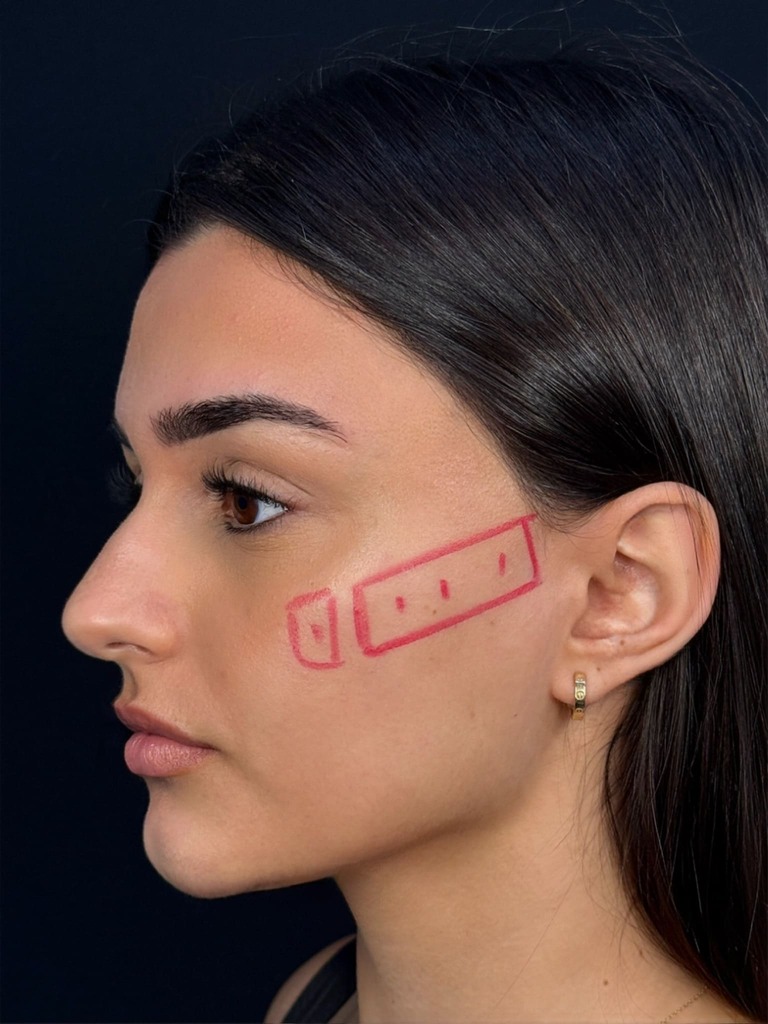
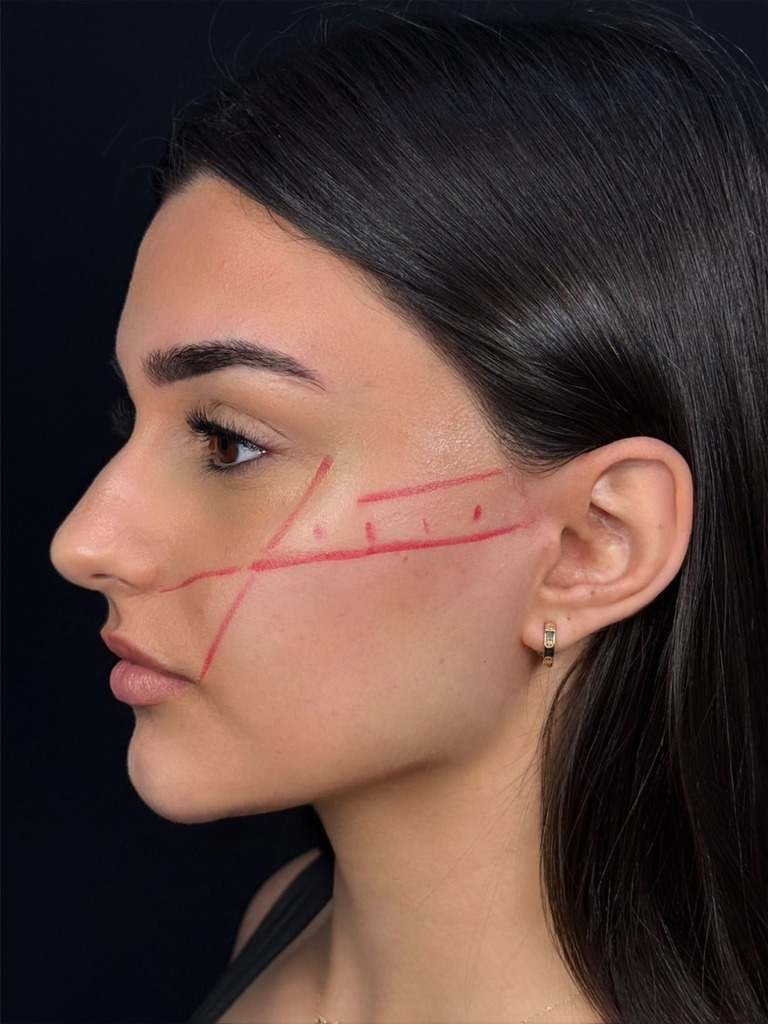
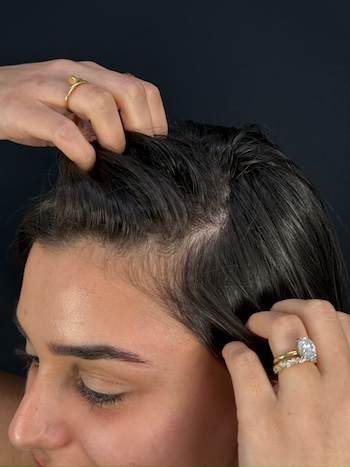
Forehead Wrinkles
Forehead Wrinkles and Lines - Wrinkle Treatments
Cosmetic Wrinkle Consultation and Facial Rejuvenation
Medical Approach to Facial Appearance Assessment and Skin Health
Patients may seek medical assessment to address changes in skin quality, facial structure, and visible ageing. A medical approach to facial evaluation focuses on clinical assessment, anatomical knowledge, and patient safety, rather than non-medical or trend-based influences.
Facial ageing is influenced by multiple physiological factors, including changes in skin thickness, collagen density, elastin integrity, muscular activity, fat compartment changes, and skeletal remodelling. A structured consultation aims to understand these processes at an individual level and determine whether any medical aesthetic treatments may be appropriate.
Purpose of a Cosmetic Medical Consultation
A cosmetic medical consultation is a formal clinical process designed to:
- Assess facial anatomy and skin condition
- Review medical history, medications, and allergies
- Identify contraindications to treatment
- Discuss biological limitations of outcomes
- Establish medically appropriate expectations
This consultation is necessary before any medical aesthetic procedure can be considered.
Areas Commonly Assessed During Facial Evaluation
During clinical evaluation, practitioners may assess:
- Forehead and temporal regions
- Glabellar (frown) region
- Periorbital area (around the eyes)
- Mid-face and nasolabial folds
- Perioral region (around the mouth)
- Jawline and lower face
- Neck and submental region
Assessment includes evaluation of:
- Skin texture and thickness
- Degree of photoageing
- Dynamic muscle movement patterns
- Static lines and folds
- Tissue laxity and volume changes
Types of Medical Aesthetic Procedures (Educational Overview)
During consultation, practitioners may discuss risks, concerns and expectation management.
Muscle Activity Modulation Treatments
These treatments are designed to temporarily reduce targeted muscle activity in order to address expression-related skin changes. Indications, dosing and suitability are determined exclusively by qualified prescribers following clinical assessment.
Non-Surgical Tissue Support Procedures
These procedures aim to medically support soft tissue structure and facial balance in selected areas. They do not replace surgical intervention where surgery is clinically indicated.
Skin Quality Support Treatments
Medical skin-focused procedures may be considered to support:
- Skin texture
- Skin hydration
- Epidermal and dermal integrity
- Overall skin resilience
All treatment categories require strict medical assessment and legal prescribing protocols.
What to Expect During a Medical Cosmetic Consultation
Comprehensive Medical History Review
A full medical review includes:
- Past and current medical conditions
- Surgical history
- Allergies and adverse reactions
- Current medications and supplements
- Skin conditions and healing history
This process is essential to ensure patient safety.
Structured Facial Examination
A clinical facial assessment may involve:
- Visual inspection
- Palpation of tissue planes
- Assessment of muscle movement
- Identification of asymmetry and structural changes
- Analysis of skin elasticity and hydration
This forms the foundation of an individualised medical plan.
Informed Discussion and Education
Patients are provided with:
- Clear explanation of treatment options
- Discussion of risks and limitations
- Explanation of procedural process
- Guidance on recovery expectations
No treatment is undertaken without informed consent.
Safety, Ethics and Medical Governance
All procedures are performed under:
- Medical supervision
- Sterile clinical protocols
- Anatomical safety guidelines
- Regulatory and professional standards
Ethical practice prioritises:
- Patient safety over aesthetic trends
- Conservative treatment planning
- Honest outcome expectations
Potential Risks and Limitations
All medical aesthetic procedures may carry risks, including:
- Temporary redness
- Swelling
- Bruising
- Tenderness
- Rare infection or vascular compromise
These risks are discussed in detail prior to any treatment.
Frequently Asked Questions
Is a consultation mandatory before treatment?
Yes. A clinical consultation is required to determine medical suitability.
Are medical aesthetic procedures suitable for everyone?
No. Certain conditions, medications or anatomical features may make treatment inappropriate.
Are results permanent?
Most non-surgical medical aesthetic treatments are temporary. Longevity depends on biological and lifestyle factors.