Smile Lines / Nasolabial Folds
Nasolabial Folds aka Smile Lines

What are Smile Lines & Nasolabial Folds?
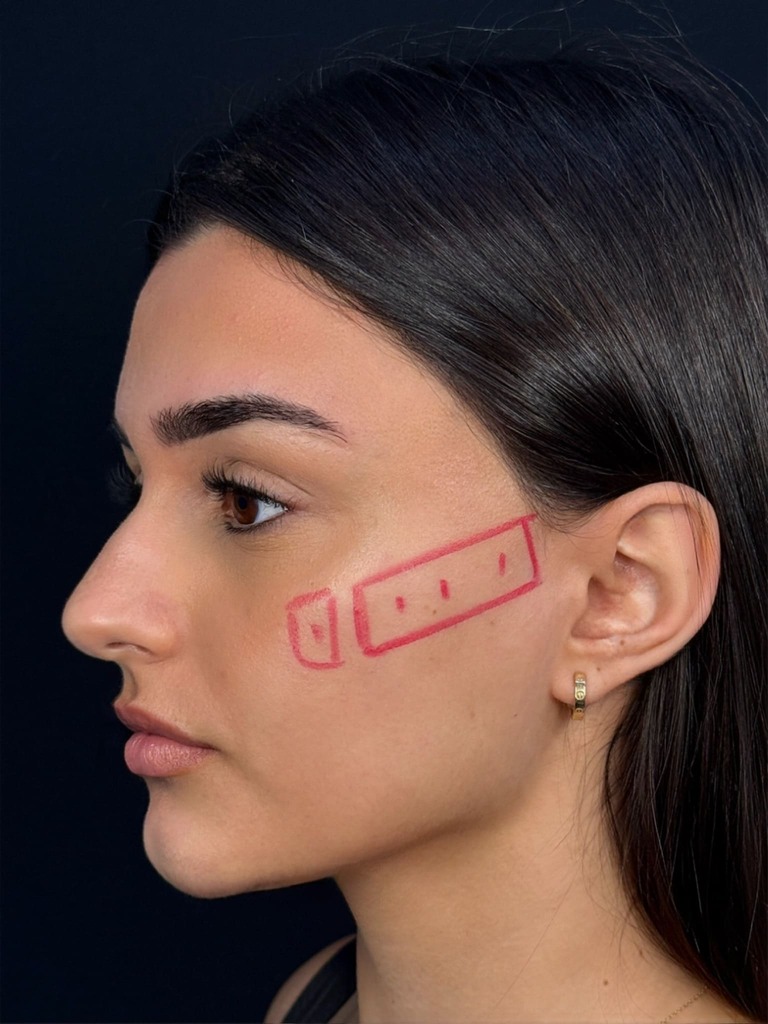
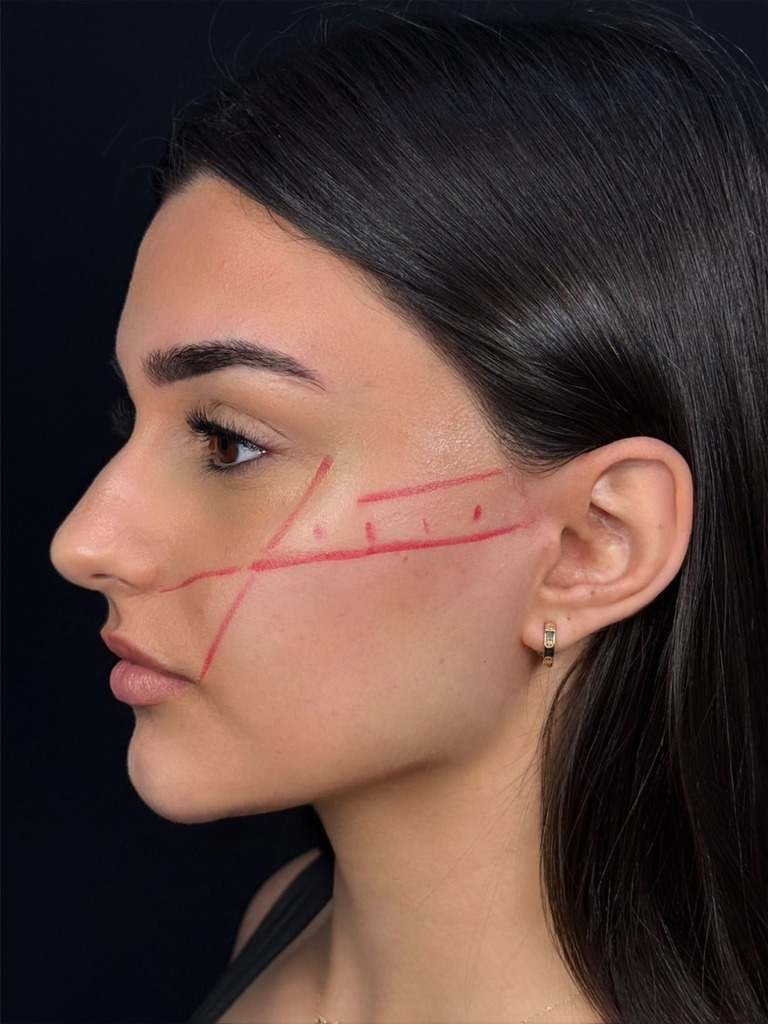
Smile lines, also called nasolabial folds or sometimes referred to as lip-cheek grooves, are the lines that run from the sides of the nose to the corners of the mouth. While some people notice these lines only when smiling, others may find that deep folds appear even when the face is at rest.
These lines are a natural part of facial anatomy, formed by dense bundles of fibrous tissue and muscles. Over time, natural ageing, gravity, and changes in skin elasticity make these folds more visible, which can affect self-confidence and the overall perception of a youthful appearance.
A personalised consultation can help you understand your nasolabial folds, explore ways to restore balance and harmony to the mid-face, and achieve a refreshed and natural-looking profile.
Why a Smile Lines Consultation Matters
- Understand Your Nasolabial Folds: Learn about the structure and natural development of smile lines.
- Identify Contributing Factors: Discover how ageing, genetics, facial movement, and skin changes affect the depth of folds.
- Set Personal Goals: Decide what a refreshed and balanced mid-face appearance means for you.
- Explore Safe Options: Receive guidance on non-invasive strategies to enhance facial harmony and confidence.
Anatomy & Development of Nasolabial Folds
Smile lines appear as a crease between the cheek and upper lip. Key factors in their development include:
- Age-Related Volume Loss: Cheek tissue gradually loses volume and elasticity, which can accentuate folds.
- Facial Movement: Frequent smiling or talking can make the folds more pronounced over time.
- Skin Elasticity: Thinner or sagging skin can make nasolabial folds deeper and more noticeable.
- Facial Anatomy: The relationship between the fixed upper lip and overhanging cheek tissue creates the appearance of a fold.
Nasolabial folds are a normal part of the face and vary greatly among individuals. While they may deepen with age, they are not a medical concern and treatment is purely cosmetic and confidence-driven.
Tailored Approach for Every Client
Every consultation is customised to your facial structure and aesthetic goals:
- Facial Analysis: Assess the depth and prominence of nasolabial folds in relation to the cheeks, jawline, and mouth.
- Symmetry & Balance Evaluation: Explore ways to achieve harmony between the mid-face, lips, and overall facial profile.
- Personalised Guidance: Discuss strategies to refresh the mid-face, restore youthful proportions, and enhance confidence.
- Expert Insight: Clinicians provide professional advice, focusing on natural balance and proportion, not just the appearance of the folds.
What to Expect During Your Consultation
- Comprehensive Assessment: Examination of mid-face volume, nasolabial fold depth, and surrounding facial structures.
- Goal Discussion: Explore what a refreshed, balanced mid-face appearance looks like for you.
- Individualised Plan: Receive guidance on ways to restore harmony to the cheeks, lips, and nasolabial area.
- Educational Insights: Learn about natural ageing processes, skin changes, and ways to maintain a youthful appearance safely.
Benefits of a Nasolabial Fold Consultation
- Understand Your Smile Lines: Learn how facial anatomy, movement, and ageing contribute to nasolabial folds.
- Restore Facial Balance: Discover strategies to improve mid-face harmony and natural proportions.
- Boost Confidence: Gain clarity on ways to refresh your appearance without overemphasising the folds.
- Tailored for You: Every consultation is personalised to your facial features and goals.
- Safe and Informative: Consultations are non-invasive, educational, and purely focused on guidance.
Prevention & Maintenance Insights
While nasolabial folds are natural and unavoidable, you can take steps to slow the appearance of deeper folds:
- Sun Protection: Regularly use sunscreen to protect your skin from harmful UV rays, which can accelerate skin ageing.
- Healthy Skin Care: Maintain hydration and overall skin health with quality skincare routines.
- Facial Awareness: Gentle exercises and mindfulness of facial movements may help reduce exaggerated fold formation over time.
It’s important to note that there is no scientifically proven method to prevent nasolabial folds entirely, as even children develop temporary folds when they smile. Treatment is purely a cosmetic choice aimed at enhancing facial harmony and confidence.