August 4, 2026
Cheek Filler Recovery: What To Expect In The First Two Weeks
Recovering after a cheek enhancement treatment takes time, and it’s normal for the treated area to go through changes as it


Recovering after a cheek enhancement treatment takes time, and it’s normal for the treated area to go through changes as it settles. Swelling, tenderness and some bruising can occur during the first couple of weeks, with recovery varying from person to person depending on factors such as the treatment plan and your body’s natural healing response.
This guide explains what you can generally expect during the first two weeks, along with practical cheek enhancement aftercare advice and signs that may require follow-up with your treating practitioner.
Most swelling from cheek enhancement begins to settle during the first week, but it can take around two weeks or longer for the treated area to settle more fully. The exact timeline will depend on factors such as your individual healing response, the treatment performed and your practitioner’s assessment.
It is normal for the cheeks to appear fuller immediately after treatment. This is due to both the volume added and the body’s natural healing response, which increases blood flow and causes fluid to collect around the treated area as the tissue begins to repair.
As the excess fluid is gradually reabsorbed, the temporary swelling reduces, allowing the final appearance to become more apparent over time.
Swelling and tenderness are usually most noticeable during the first few days after treatment. Some people may also notice mild bruising, firmness or a feeling of fullness around the cheeks.
It is recommended to follow your practitioner’s cheek enhancement aftercare instructions carefully during this period. Avoid putting unnecessary pressure on the treated area and follow any advice provided about activity restrictions.
For many people, swelling and bruising begin to improve during the second half of the first week. The cheeks may start to look more even as the treated area continues to settle, although minor swelling can still be present.
It is also common for one side to settle slightly differently from the other during this stage. Temporary differences in appearance do not necessarily indicate the final outcome, as healing rarely occurs at exactly the same pace on both sides.
By the second week, many people notice that the cheeks feel more natural and swelling has continued to reduce. Any remaining bruising often becomes less noticeable, although healing times differ between individuals.
Your treating practitioner will assess your progress based on your individual response rather than a fixed timeline. If a review appointment has been recommended, it provides an opportunity to discuss how your recovery is tracking.
Bruising is one of the recovery effects that many people are most concerned about after cheek enhancement. It can occur when blood vessels are disturbed during treatment, allowing a small amount of blood to leak into the surrounding tissue. This creates the visible discolouration associated with a bruise.
For most people, bruises gradually fade as the blood is broken down and reabsorbed. As recovery differs between individuals, carefully following your practitioner’s aftercare instructions throughout this time is recommended.
Following your practitioner’s aftercare instructions can help support your recovery and allow the treated area to settle as expected. Their recommendations may vary depending on your individual treatment plan, so always follow the advice provided during your appointment.
During the first two weeks, it is generally recommended to:
Every recovery is different. If you’re unsure whether an activity is appropriate during your recovery, contact your treating practitioner before returning to your normal routine.
Some swelling, mild bruising, tenderness and temporary firmness are commonly experienced after cheek enhancement. If these symptoms persist or worsen or you have concerns about how the treated area is healing, contact your treating practitioner. They can assess your recovery and advise whether a review is recommended.
Some symptoms require urgent medical attention rather than waiting for a routine review. Seek immediate medical care if you experience:
Many people notice that the treated area looks more settled after around two weeks, although the exact timeline varies from person to person.
It is important not to judge your outcome too early. As mentioned, temporary swelling and minor changes in symmetry during the first two weeks are part of the normal recovery process for many people and may continue to improve as healing progresses.
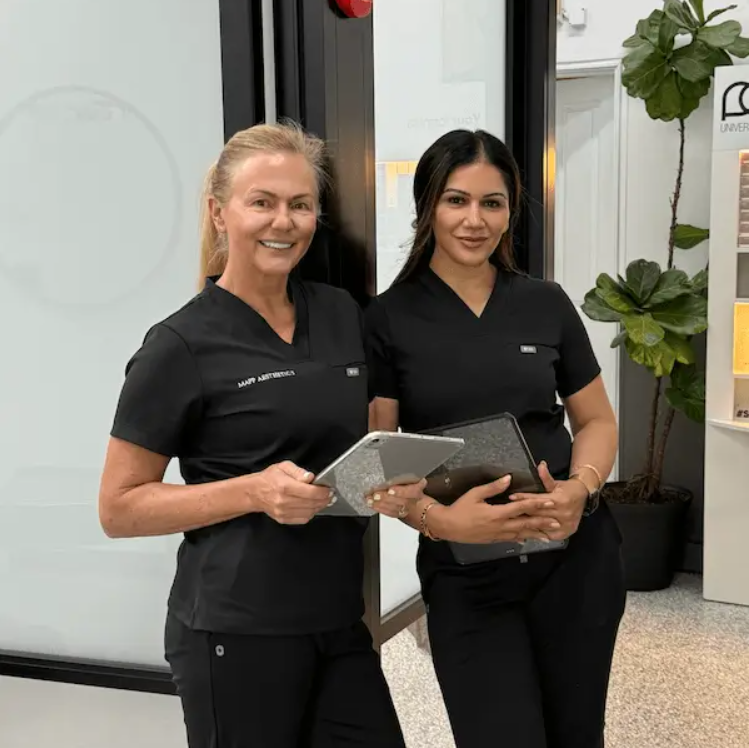
If you have questions about recovery, are considering cheek enhancement or would like personalised advice, our registered nurse team at Mapp Aesthetics is here to help. As a trusted Sydney cosmetic clinic, we take the time to assess your concerns, discuss suitable treatment options and explain what you can realistically expect before, during and after the session.
Book a consultation if you would like an individual assessment, or you may also review our treatment policy before your visit.
Disclaimer: This content is general in nature and should not be used to diagnose medical conditions or determine appropriate treatment. Always consult an appropriately qualified healthcare professional before commencing any health, wellness or therapeutic product or treatment. Individual results may vary.