August 4, 2026
How To Choose A Qualified Practitioner For Cosmetic Treatments In Sydney (& What To Ask)
If you’re considering non-surgical cosmetic treatments in Sydney, choosing a qualified practitioner is one of the most impor


If you’re considering non-surgical cosmetic treatments in Sydney, choosing a qualified practitioner is one of the most important decisions you’ll make. Recent changes to Australia’s cosmetic procedure guidelines have strengthened patient protections, giving you clearer expectations around provider standards, consultations and informed consent.
This guide shares practical advice on what to look for in a qualified cosmetic practitioner in Sydney, from verifying their credentials to asking the right questions so you can make informed decisions about your care.
Choosing the right clinic starts with knowing who will be responsible for your care. Before you book, it’s worth checking that your practitioner is registered, appropriately trained and working within the current Australian guidelines for cosmetic procedures.
Depending on the treatment, non-surgical cosmetic procedures may be performed by different registered health practitioners working within their professional scope of practice and relevant state or territory legislation.
Registered nurses may administer these treatments where appropriate, while working within their scope of practice and alongside an authorised prescriber where required.
Every practitioner involved should be appropriately registered, trained and authorised for the procedures they perform.
Health practitioners performing non-surgical cosmetic procedures are expected to have the education, training and experience needed for the specific treatments they provide.
The updated Australian Health Practitioner Regulation Agency (AHPRA) and National Board guidelines also outline expectations for practitioners who are expanding their scope into cosmetic practice. This includes relevant theoretical and practical education, assessment training, competence in the procedure being offered, ongoing continuing professional development and the ability to recognise and manage potential complications.
For registered nurses entering cosmetic practice, the Nursing and Midwifery Board of Australia also expects a minimum period of post-registration nursing experience before expanding into non-surgical cosmetic procedures.
You can verify whether a health practitioner is registered by searching the public AHPRA Register of Practitioners, which usually takes only a few minutes.
The register allows you to confirm a practitioner’s registration status, profession and any relevant endorsements.
A quality consultation is one of the clearest signs of a qualified cosmetic practitioner in Sydney. It should help you understand your options and make an informed decision without pressure.
A thorough consultation should focus on your health, goals and suitability for treatment, not just the procedure itself.
Your practitioner should take the time to discuss your medical history, any relevant medications or previous treatments, your reasons for seeking treatment and your expectations. They should also explain alternative options, including choosing not to proceed if that is the most appropriate course of action. If there are concerns that treatment may not be suitable, they should recommend further assessment where appropriate.
Asking questions can help you understand who will be involved in your care and whether the clinic follows current professional standards.
Consider asking questions such as:
If your treatment involves a prescription-only cosmetic medicine, the prescribing practitioner must have a real-time consultation with you, either in person or via live video.
Current AHPRA guidelines do not permit prescriptions to be issued solely through online forms, text messages or email questionnaires. This helps support a thorough assessment and allows you to ask questions before any prescribing decisions are made.
Certain warning signs may suggest it’s worth asking more questions or seeking a second opinion before proceeding.
Some examples include:
Save or screenshot this checklist before your appointment.
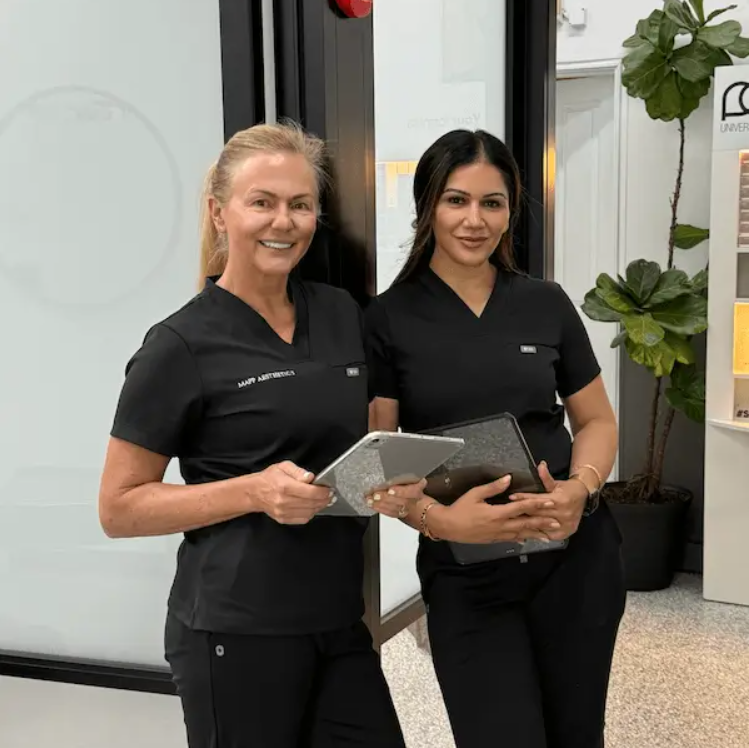
Choosing a qualified practitioner is one of the most important steps in your treatment journey. At Mapp Aesthetics, we help simplify that choice by providing access to registered cosmetic nurses in Sydney who practise in accordance with current Australian professional standards and prioritise patient-centred care.
Learn more about our registered nurse team or book a consultation to discuss your options at our Sydney cosmetic clinic.
Disclaimer: This article offers general information and may not apply to your individual circumstances. Before choosing any health, wellness or cosmetic treatment, seek advice from a qualified healthcare professional. Recommendations and outcomes differ from one person to another.